
How Mobile Apps are Transforming Physical Therapy

Physical therapy has traditionally required in-person visits, scheduled appointments, and repeated clinic sessions. While that model remains important, technology is changing how care is delivered and supported.
Understanding how mobile apps are transforming physical therapy helps you see why digital tools are becoming an important extension of rehabilitation, not a replacement for it.
Let’s explore what has changed and why it matters for you.
Expanding Access to Care
One of the biggest shifts in recent years has been accessibility. Not everyone can attend frequent clinic visits. Distance, cost, scheduling conflicts, and mobility limitations can all create barriers.
Mobile platforms really help break down barriers. By bringing structured programs straight to your phone, they make it easier to get care anywhere, not just in the clinic. This kind of increased access shows just how much mobile apps are changing the way we experience physical therapy.
You can follow guidance wherever you are.
Improving Adherence and Consistency
Rehabilitation only works when exercises are performed consistently. Many patients leave a clinic with printed instructions but struggle to follow through.
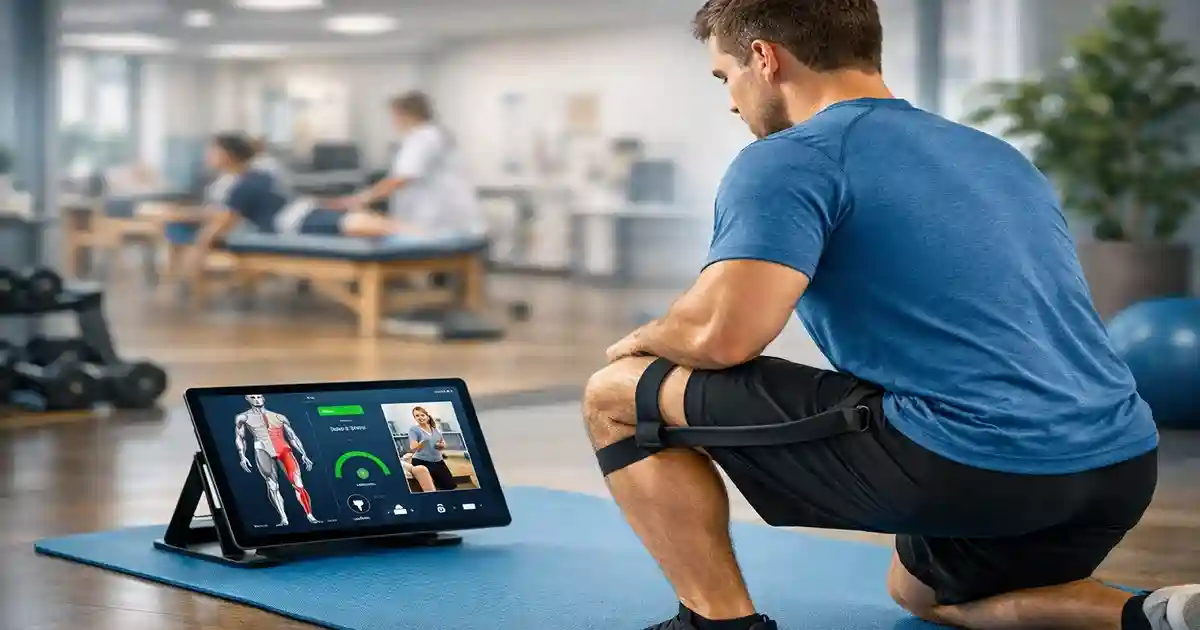
Mobile apps provide reminders, video demonstrations, and progress tracking. These features improve adherence. Research in digital health consistently shows that structured reminders and feedback improve long-term compliance.
This behavioral reinforcement explains another way how mobile apps are transforming physical therapy in daily life.
You stay accountable because the system supports you.
Personalization Through Technology
Modern apps collect input about your pain levels, mobility, and goals. This allows programs to adapt and progress appropriately.
Personalization is critical in physical therapy. A one-size-fits-all approach rarely works. By tailoring exercises based on your responses, digital tools can provide structured progression similar to in-clinic adjustments.
This adaptive model plays a crucial role in the evolution of mobile applications, significantly transforming physical therapy into a more personalized and tailored experience for each individual.
Integrating Mind-Body Support
Rehabilitation is not purely mechanical. Pain perception involves the nervous system and emotional regulation. Many mobile platforms now integrate breathing exercises, mindfulness sessions, or relaxation guidance alongside strengthening routines.
By combining physical and neurological strategies, these apps align with modern pain science. This integrated approach further demonstrates how mobile apps are transforming physical therapy into a more comprehensive recovery system. Also read about Connection between Posture & Pain.
You are not just strengthening muscles. You are retraining your nervous system.
Data Tracking for Measurable Outcomes
Tracking progress is easier when data is centralized. Apps allow you to monitor mobility improvements, symptom trends, and adherence rates.
This measurable feedback increases motivation and allows for informed adjustments. For providers, it can improve communication and clarity. For users, it builds confidence.
Data-driven feedback exemplifies how mobile apps are making physical therapy more transparent and engaging.
Supporting, Not Replacing, Professional Care
Mobile apps are not emergency services. They do not replace medical diagnosis. Instead, they function as structured companions to professional care.
They extend therapy between visits. They reinforce exercises taught in person. They maintain momentum during recovery.
What This Means for Your Recovery
This supportive role clarifies the practical impact of how mobile apps are transforming physical therapy in real-world settings.
Digital tools give you more control. They make guidance portable. They improve consistency and structure.
At NeuroPhysio RX, structured programs combine professional expertise with accessible technology. If you are ready to experience firsthand how mobile apps are transforming physical therapy, start building a guided routine that fits your life today.