

Blogs
Nerve Pain Management Techniques That Deliver Real Relief

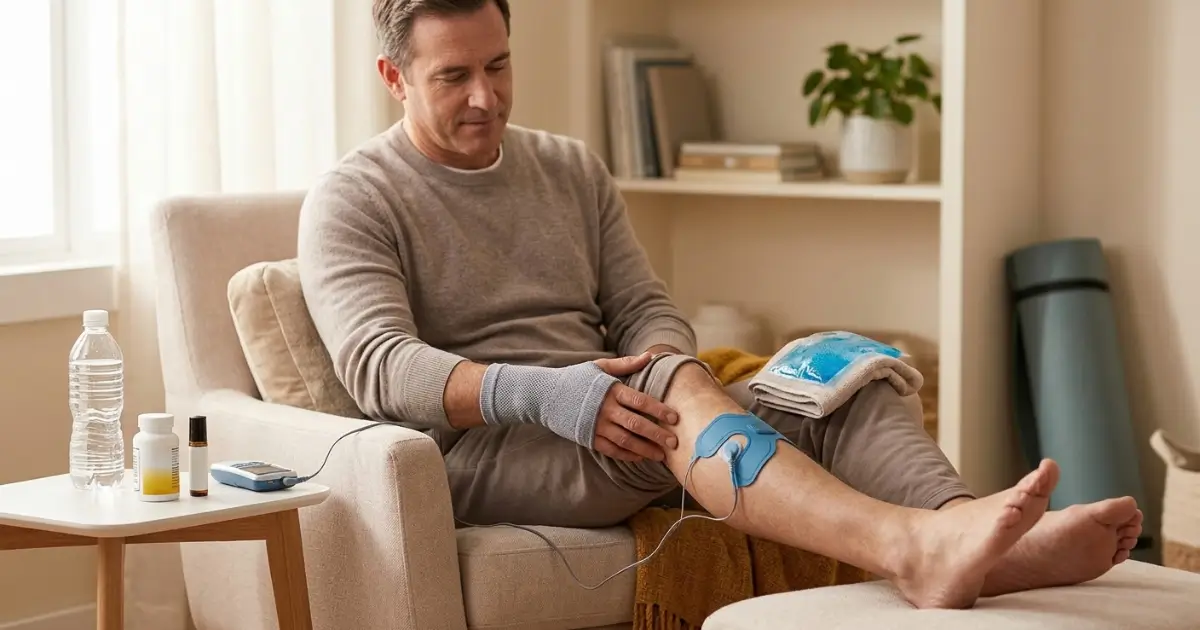
Nerve pain is different from muscle pain or joint pain. It burns. It shoots. It tingles in places that feel disconnected from where it starts. And unlike a strained muscle that responds predictably to rest and ice, nerve pain requires a different set of tools entirely. Understanding the right nerve pain management techniques is the difference between chasing symptoms and actually addressing the neurological and musculoskeletal factors that maintain them.
The pain management techniques that produce the most consistent clinical outcomes are the ones that combine physical rehabilitation, nervous system regulation, and targeted mobility work. This blog gives you a complete, clinically grounded overview of what works, why it works, and how to apply it in your daily life.
What Makes Nerve Pain Different
Peripheral nerve pain, whether from sciatica, carpal tunnel syndrome, cubital tunnel syndrome, cervical radiculopathy, or other nerve entrapment conditions, involves inflammation, compression, or irritation of neural tissue. Unlike muscular pain, which typically responds to rest and progressive loading, nerve tissue requires specific mobilization techniques, decompression strategies, and nervous system downregulation to recover effectively.
This is why pain management techniques from physiotherapy look very different from general pain management. They target the nerve itself, the tissues compressing it, and the central nervous system’s sensitized response to the pain.
Nerve Gliding and Neural Mobilization
Nerve gliding, sometimes called neural flossing, is one of the most evidence-supported nerve pain management techniques in physiotherapy practice. It involves moving a limb through a sequence of positions that gently tension and then release the peripheral nerve, promoting mobility within the nerve’s connective tissue sheath.
For the sciatic nerve, a common glide involves lying on your back, lifting one leg with the knee slightly bent, and alternating between ankle dorsiflexion and plantarflexion. For the median nerve in carpal tunnel conditions, a sequence of wrist extension with elbow extension is used. These must be performed gently, never into pain, and with proper clinical guidance.
Decompression of Nerve Entrapment Sites
Many nerve pain conditions involve identifiable anatomical sites where the nerve is being compressed. Effective techniques for pain management address these sites directly. For sciatic nerve compression at the piriformis, stretching and releasing the piriformis reduces the mechanical compression on the nerve. For cervical radiculopathy, cervical traction and deep cervical flexor strengthening decompress the neural foramina. For cubital tunnel syndrome, avoiding sustained elbow flexion and strengthening the surrounding musculature reduces ulnar nerve compression.
Nervous System Downregulation
Central sensitization is a feature of many chronic nerve pain conditions where the nervous system becomes increasingly reactive to stimuli that would not normally produce pain. One of the most important but overlooked nerve pain management techniques is nervous system downregulation through breathwork, meditation, and progressive relaxation.
Research consistently shows that mindfulness-based interventions reduce pain catastrophizing, lower cortisol levels that amplify inflammatory signaling, and improve pain tolerance. These are not soft additions to a nerve pain program. They are evidence-supported clinical interventions with measurable effects on pain perception.
Posture and Ergonomic Correction
Many peripheral nerve conditions are maintained or worsened by postural patterns that create sustained compression or tension on neural tissue. Addressing posture is therefore one of the most practical techniques for pain management available. Raising your monitor to eye level reduces cervical nerve root compression. Keeping elbows at 90 degrees reduces ulnar nerve tension at the elbow. Correcting anterior pelvic tilt reduces compressive load on lumbar nerve roots.
Get a Structured Nerve Pain Management Program
Applying these nerve pain management techniques consistently and correctly requires structure and clinical guidance. NeuroPhysio RX delivers a personalized Nerve Mobility and Pain Relief program designed by physiotherapists and occupational therapists with over 40 years of combined clinical experience. The app guides you through targeted nerve pain management techniques with high-quality video instruction, tracks your progress weekly, and gives you direct access to therapist support throughout your recovery.
Download NeuroPhysio RX today and follow these techniques built by clinicians who understand your nervous system.