

Blogs
Posture Exercises For Back Pain: Fix The Root, Not Just The Symptom

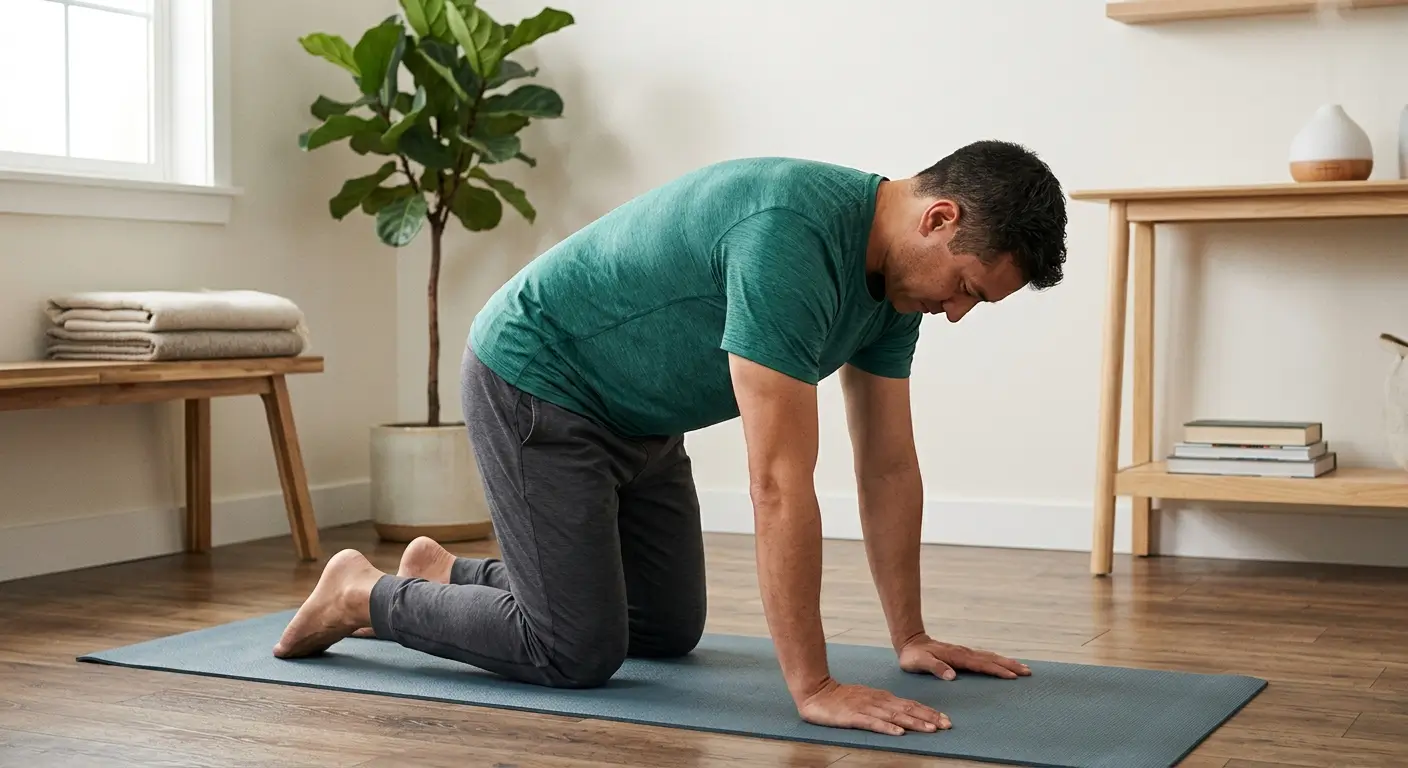
Back pain and poor posture are connected at a deeper level than most people realize. Poor posture does not just look wrong. It mechanically overloads specific structures in the spine, chronically shortens certain muscle groups, and progressively weakens the ones responsible for keeping you upright. Over months and years, this leads to the kind of persistent back pain that does not fully resolve with rest or the occasional stretch.
This is exactly why posture exercises for back pain are so much more effective than simply trying to sit up straighter. They address the muscular imbalances, joint restrictions, and movement patterns that create and maintain poor posture in the first place. This blog gives you a complete, clinical framework for using posture exercises to address the root cause of your discomfort.
The Posture-Pain Relationship Explained
Forward head posture, rounded shoulders, and anterior pelvic tilt are the three most common postural deviations in people with back pain. Each creates a predictable pattern of muscle tightness and weakness. Forward head posture overloads the cervical extensors and weakens the deep cervical flexors. Rounded shoulders shorten the pectorals and inhibit the lower trapezius and serratus anterior. Anterior pelvic tilt tightens the hip flexors and erectors while switching off the glutes and core.
Effective posture exercises for back pain target all three of these patterns simultaneously, because they rarely occur in isolation.
Chin Tucks
Gently draw your chin straight back to create a slight double chin. Hold for five seconds. This activates the deep cervical flexors and directly counteracts the forward head posture that is among the most common postural drivers of upper back pain. It is one of the simplest and most immediately impactful posture exercises you can perform at your desk throughout the day.
Thoracic Extension Over a Foam Roller
Place a foam roller horizontally across your mid-back and gently extend over it with arms crossed over your chest. Move the roller to different thoracic levels and breathe slowly. This mobilizes the thoracic spine into extension, counteracts the kyphosis that rounded shoulders create, and directly reduces the compensatory load that thoracic stiffness places on the lumbar spine.
Scapular Retractions
Sitting or standing with your arms at your sides, squeeze your shoulder blades together and hold for five seconds. This reactivates the mid and lower trapezius, the muscles most consistently inhibited by rounded shoulder posture. Regular scapular retractions are a core posture exercise because they address the postural cause at the muscular level rather than just cueing you to sit up straighter.
Dead Bug
Lie on your back with arms pointed toward the ceiling and knees bent at 90 degrees. Slowly lower one arm overhead and the opposite leg toward the floor while keeping your lower back pressed flat. Return and switch sides. The dead bug trains the deep spinal stabilizers and core anti-extension capacity that poor posture consistently erodes, making it one of the most valuable posture exercises for back pain in any clinical program.
Hip Flexor Stretch in Kneeling Lunge
Anterior pelvic tilt, one of the most common postural dysfunctions in back pain, is largely driven by tight hip flexors pulling the pelvis forward. A kneeling hip flexor stretch held for 45 to 60 seconds per side directly addresses this pattern and creates the pelvic neutrality that posture exercises require to be fully effective.
Start Your Postural Correction Program Today
Correcting posture requires consistent daily effort, and having a structured program makes that consistency achievable. NeuroPhysio RX delivers personalized Lower Back Pain and Posture programs designed by physiotherapists and occupational therapists with over 40 years of clinical experience. The app guides you through posture exercises for back pain with high-quality video instruction, tracks your weekly improvement, and provides direct therapist support throughout your recovery.
Download NeuroPhysio RX today and follow posture exercises that address the actual cause of your discomfort.